Posts

Showing posts with the label Field Woundwort

Grass seeds and arable gold

Image
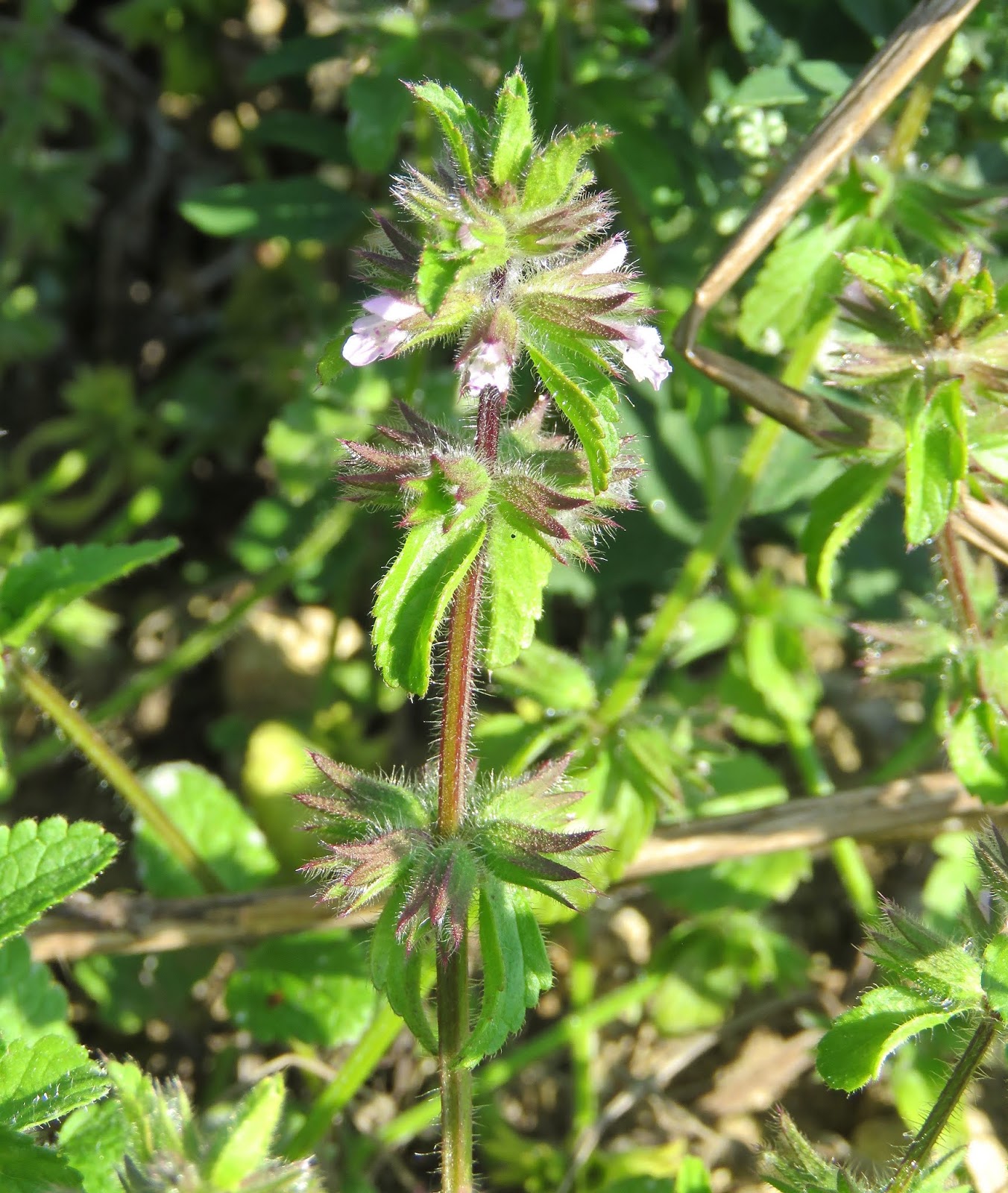
It was an absolute pleasure to welcome Paul and Bridget James to the arable plant fields of Langley Vale today. We walked far and wide across the area and managed to find most of the notable species that we had targeted, including Night-flowering Catchfly, Blue Pimpernel, Field Gromwell, Field Woundwort and Red Hemp-nettle. The dry spring and early summer has certainly taken its toll on many species, with some crisped and stunted, while others that we expected to be in full flower were already clearly over. However, a most enjoyable day was had and it now remains for us three intrepid botanists to start picking all of the grass seeds out of our socks and footwear... Field Woundwort Red Hemp-nettle Round-headed Rampion Scarlet Pimpernel (blue flowered)

A botanical time-capsule

Image
Scarlet Pimpernel of the blue-flowered form We've reached number two in the countdown of my 10 most enjoyable natural history events of the past five years. 2. Arable overload Nationally rare plants within a couple of miles from home is not a prize that is bestowed upon too many naturalists, but when the site that they occur on is opened up for access - and then proves to be an even better site than first thought - it is the stuff of botanical dreams. For the past five years I have had the absolute pleasure of visiting such a place. Langley Vale Farm occupied a large part of the chalk downland of Walton Downs. It was farmed sensitively and maintained a tremendous arable flora. For many years just a couple of footpaths crossed this land, with access onto the fields prohibited, but there were one of two spots where a wander along a field-edge could be made. And then, in 2014, the farm was put up for sale and purchased by The Woodland Trust (WT). The reaction to the buyer was...

More Langley Vale magic

Image
A few day's ago Peter Wakeham, that most diligent of local botanists, found a small clump of Field Woundwort (above) in Penn Field, Langley Vale. As far as I know this was a new record for the area, and as any reader of this blog will know, I am very keen to see anything that decides to pop up and flower in these local fields. This morning, armed with directions, I found the plant(s) with little effort - and for my troubles was rewarded by bumping into a fine Night-flowering Catchfly (below) on the way across the field. What else lurks within it? It is a large field and looks ripe for a good going over. I will be back.

Postcards from Cornwall

Image
Common Starling, basking in the predominant weather of our Cornish holiday - hot, dry and sunny Wall  - still extremely scarce in Surrey but easy enough to find north of Bude I was pleased to stumble across several plants of the declining 'arable weed' Field Woundwort Olearia solandri (Coastal daisy-bush), established in the sand dunes at Bude Never need an excuse to take a picture of a Wheatear - they presumably breed on the clifftops close to Bude It was good to see Bude birder Harvey Kendall (here on the right), who on this particular occasion joined me to watch a juvenile Marsh Harrier that was hunting over the lake and farmland behind the bungalow in which we were staying. I first met Harvey (and his son Ian) back in 1979 at Dungeness. We were able to reminisce and catch up over several cups of tea throughout our stay. The harrier was a Maer Lake tick for him, and one gripped back on his son!