Posts

A camera called Lazarus
Image
The Panasonic DMC-TZ7 came into my possession in April 2010 - it was during the time that the Icelandic volcano Eyjafjallajokull was sending ash up into the atmosphere and cancelling flights across the UK. That has absolutely no relevance to my purchase, but gives you, the reader, a flavour of what was happening at the time (ash flavour, as it goes). In those seven years it has performed admirably, and has the best macro facility on any compact camera that I have seen. Its small size means that it can comfortably fit into a pocket and be carried effortlessly around chalk downland, up hills, through woods and across shingle. But it has tried to leave me three times now... ONE I was sea watching alone one early May morning at Dungeness, stood outside of the first hide. It was quiet, so I walked up to the patch hide (some 300m along the beach) to spend a bit of time looking through the gulls and terns that were feeding at the power station's water outfall. After an hour I decided t...
Mickleham winter flora

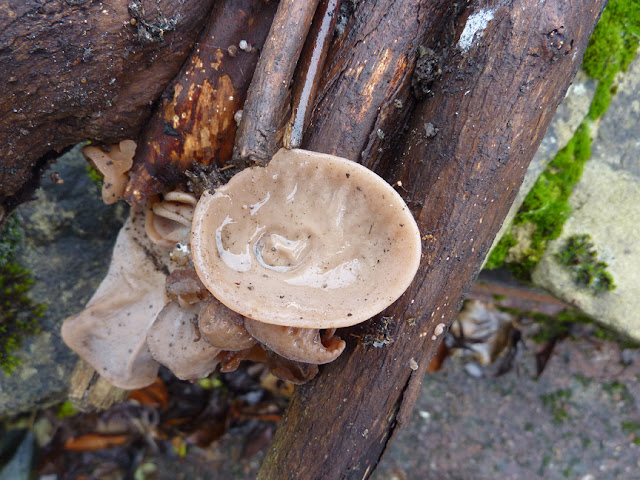
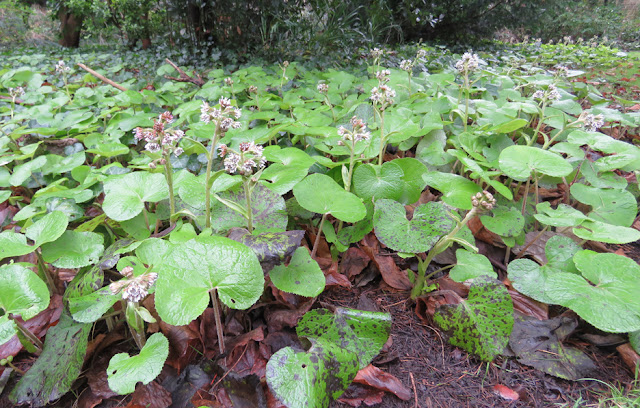
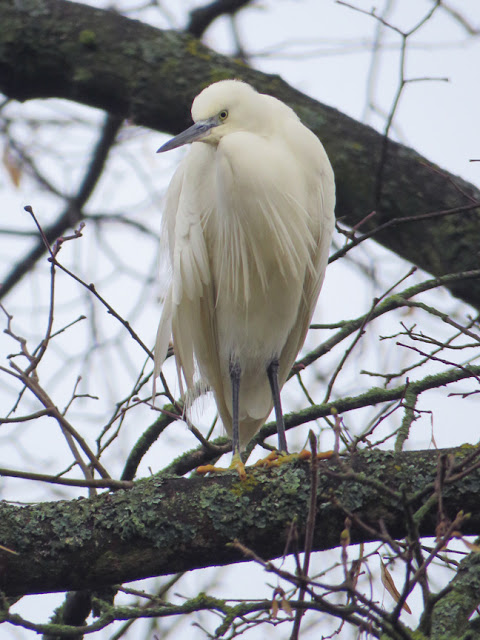
I normally go and pay my respects to the 'winter' flora in the Mickleham area each January, and seeing that it is February on Wednesday I only had two days in which to keep up my record. A grey, drizzly morning kept the light low and gave everything the feeling of being in two dimensions - flat was the word. I started at the White Hill car park and was soon checking the old wall that runs alongside the isolated cottage. It is here that you can usually find Rustyback , and I was pleased to come across two plants, mixed in with the more numerous Wall-rue . Then onto the slopes of Mickleham Downs, home to a great south-eastern rarity, truly wild Wild Candytuft . Several hundred plants are present, although I went no further than the first flowering plant that I came across. This species is in flower all year round here, although the books don't refer to it as having a constant flowering season. Nearby was plenty of Stinking Hellebore , in various sizes and age. Both these sp...

Fake news and alternative facts

(If Donald Trump did birding...) This morning I saw some great birds. Truly great. Better than anything seen by other birders. Period. There was a large raft of Tufted Ducks. All 374 of them. I counted each one. I really did. They were spectacular. Truly spectacular. And even though there are some people out there who are trying to make these Tufted Ducks out to be of no consequence at all, they are lying. They say that Ring-necked Ducks and Lesser Scaups are rarer - they are not. Not at all. Never. I have also just realised that I did, in fact, see the 1962 Westleton Houbara Bustard. In Suffolk. I truly did. It marched down that Suffolk lane as if it hadn't a care in the world. I can also now recall seeing the 1963 Skegness Rufous Bushchat and also the 1966 Durlston Brown Thrasher. I really can. As clear as day. No doubt. No doubt at all. They were remarkable birds. My life list is without doubt the largest life list in the UK. Truly. 654 species and counting. But there are bi...

A bit of spring in winter

Image
It was Bourne Hall, Ewell once again, plus a wander along the River Hogsmill all the way to Ewell Court. It was very quiet, with only a single (and tame) Little Egret, a flushed Common Snipe, but no sign of any Kingfishers. I reckon that the wintering Water Rail may have moved on. It was an iron cold day, the chill in the south-easterly breeze enough to make it uncomfortable, and the drizzle that fell in the early afternoon turned into the finest snow that I've ever seen. Amid all of this mid-winteryness was a sight to stir the soul - a fine display of Winter Heliotrope (above and below), together with a smattering of  Ramularia purpurascens across some of the leaves (thanks Seth!) Now, I know I keep on posting photographs of Stonechats, Reed Buntings and Little Egrets, but when these birds just pose for you, why not? I never tire of them.

Tame egrets

Image
Over the past couple of weeks, the Little Egrets frequenting the River Hogsmill (and surrounds) at Ewell Village have been very approachable. There are certainly two - and maybe three - present, and are most reliably found in the watery channels close to the Mill, and also the stretch of river beyond the tunnel, at the start of the Hogsmill Open Space reserve. They are pretty skittish when feeding in the water, but if you come across one perched in a tree (as I did this morning) then your luck could be in. So far this month there has been a Water Rail, 4+ Kingfisher, 2 Common Snipe, a Firecrest and 4 Waxwing in this small area. Well worth a look.

A symptom of our warped times

We are, without doubt, living in unsettled and intolerant times. It is normally the case that birding (or birdwatching if you prefer) allows escape from such feelings, a comfy place in which to lose those negative thoughts and feelings. But intolerance seems to be even stalking these safe havens... Social media - be it Twitter or Facebook - has seen an increase in what can only be described as attacks on fellow birders. Their crimes? To be considered as being less proficient in the field. These 'weaklings' can be identified by their inability to identify the quarry. By their need to ask others as to what they are looking at. By not carrying a field guide. They are also chastised for having the temerity to carry with them expensive optics - you see, the attackers feel that only those worthy of such optics should possess them, and by worthy they mean experienced people, those accepted by the herd and somehow worthy. PEOPLE LIKE THEM. I have seen such posts to openly suggest tha...

All quiet on the birding front

Image
Canons Farm tested the resolve of two seasoned campaigners this morning, as Geoff and myself plodded across the arable wastes with scarcely a bird to look at. Something is amiss here. In previous winters, at the very least, the fields would hold decent numbers of pigeons, corvids, finches and thrushes. Have they been sprayed with something so foul that there is nothing left alive for the birds to feed upon? Our 'tame' Common Buzzard (above) seemed unconcerned about it all, but most probably has no food worries thanks to a supply of the bodies of birders who have keeled over with boredom. Our one flash of inspiration came in the form of a Woodcock, targeted and flushed at the edge of Banstead Woods - Geoff's 100th patch species, a good total for a waterless, inland site. We parted ways in the bowels of Chipstead Bottom (nice imagery to juggle with there) where I then wandered along and up onto Park Downs (below). If I were targeting birds here then I would hav...